An Electrical Installation Condition Report (EICR) is a formal inspection and test of a property's fixed wiring, graded against BS 7671 (18th Edition) — most often booked by landlords, home buyers and anyone whose installation hasn't been looked at in years.
From Victorian terraces in Kemptown to Regency conversions and seafront flats in Hove, and the mix of Edwardian and inter-war homes around Portslade, much of Brighton & Hove's housing stock is older than its wiring should be. These are the people who book an EICR with us most often:
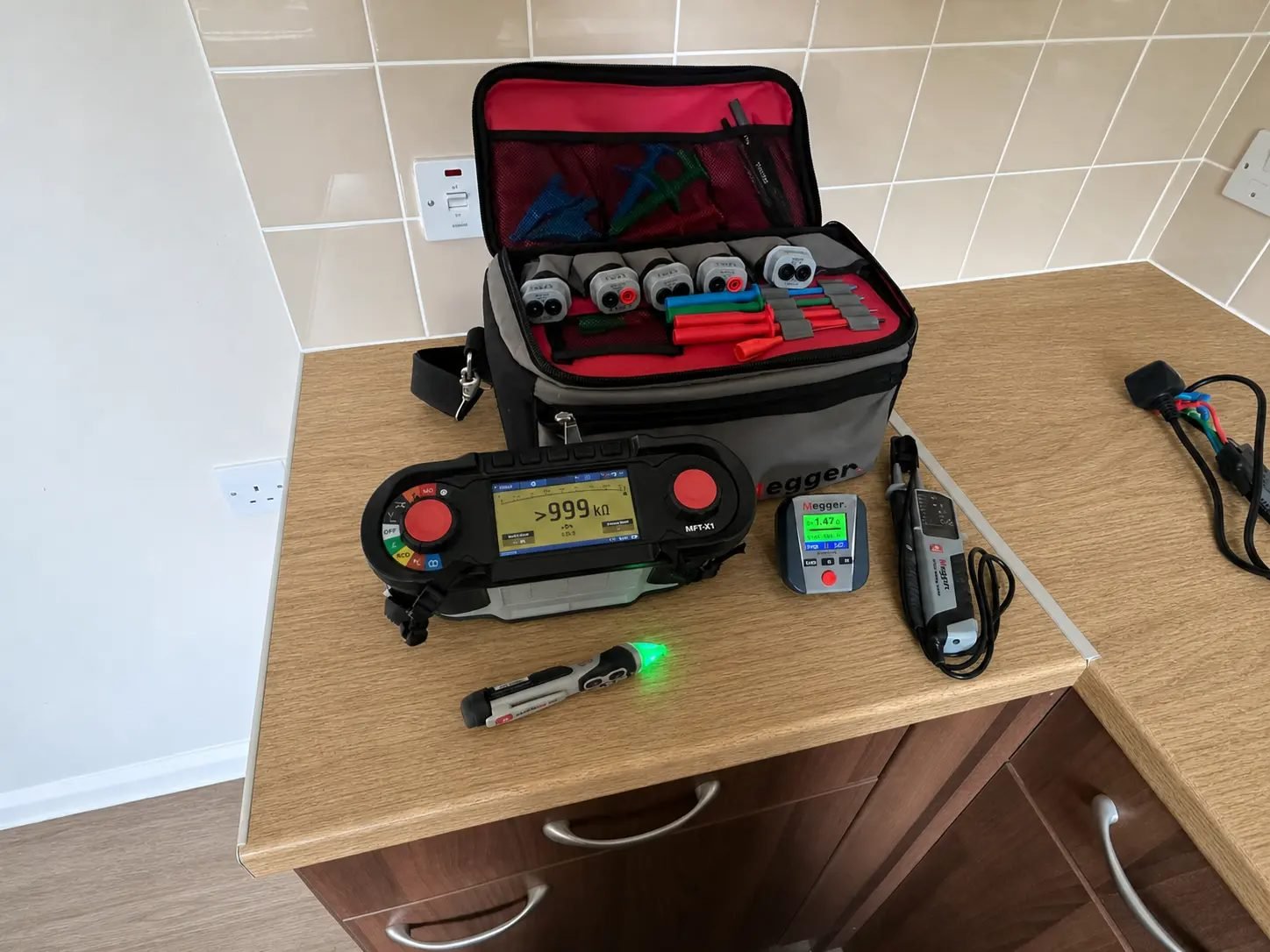
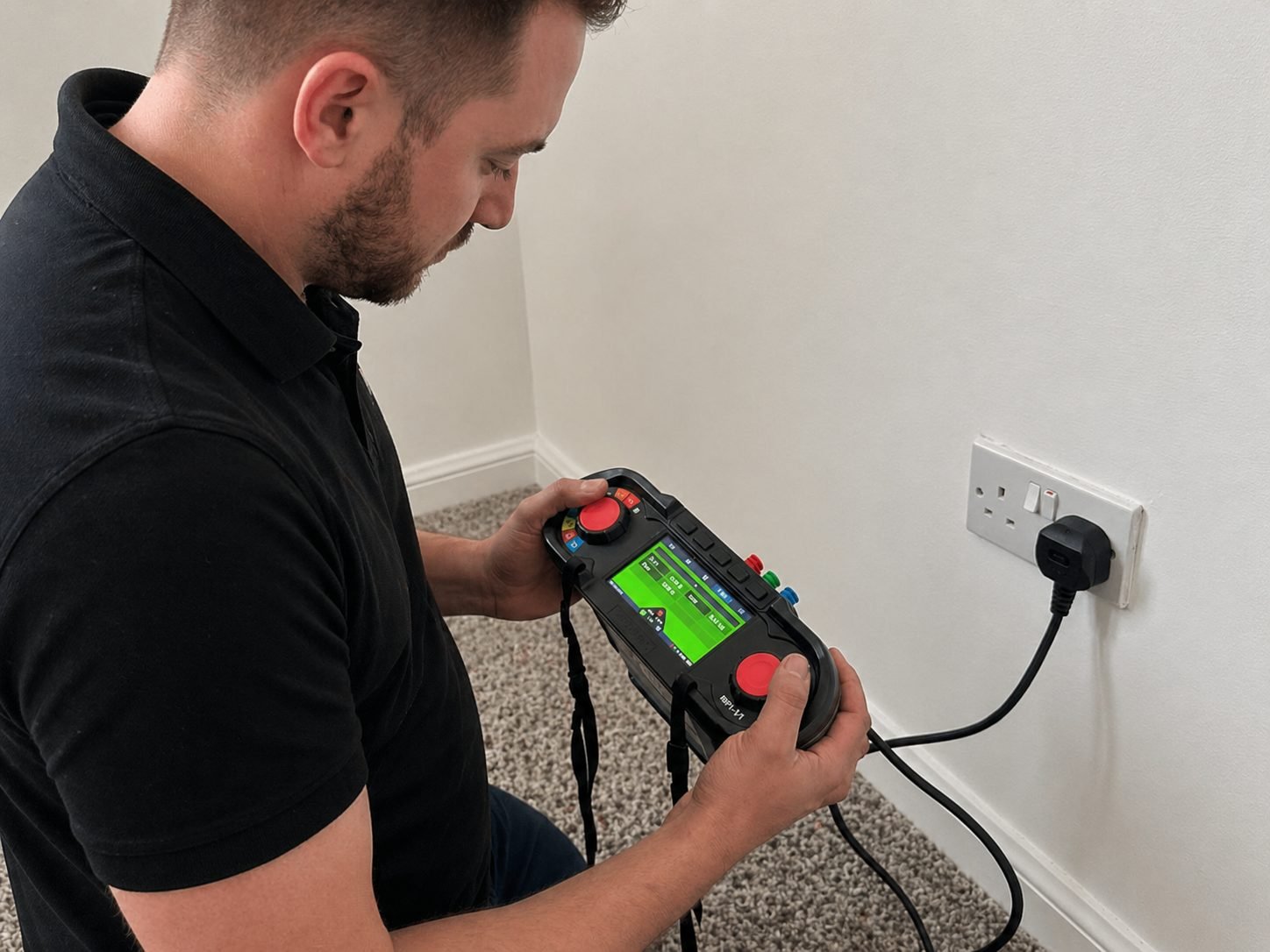
A typical home EICR takes a few hours. The power will need to go off for part of it, but we plan the dead testing around you and keep disruption to a minimum.
We start with a room-by-room look at the installation — the consumer unit, visible cabling and accessories — noting any signs of damage, wear, overheating or past DIY alterations.
A sample of sockets, switches and connection points is opened up so we can check the condition of the terminations and conductors behind the faceplates.
With the power safely off, we test continuity, insulation resistance and polarity across the circuits to confirm the wiring itself is sound.
With the supply restored, we measure earth-fault loop impedance and RCD trip times to confirm the protective devices will disconnect fast enough under fault conditions.
Everything we find is recorded on the report and graded C1, C2, C3 or FI, so the paperwork reflects exactly what we saw and how urgent it is.
You receive the completed EICR and we go through it with you in plain English — what passed, what didn't, and what to do next.
A real risk of injury exists right now. If we find a C1 during your inspection, we make it safe before we leave the property.
Not an immediate danger, but it could become one. Remedial work is needed before the report can be given a satisfactory result.
The installation doesn't meet the current edition of the standard but isn't dangerous. A C3 on its own doesn't fail the report.
Something needs a closer look without delay before the safety of the installation can be confirmed either way.
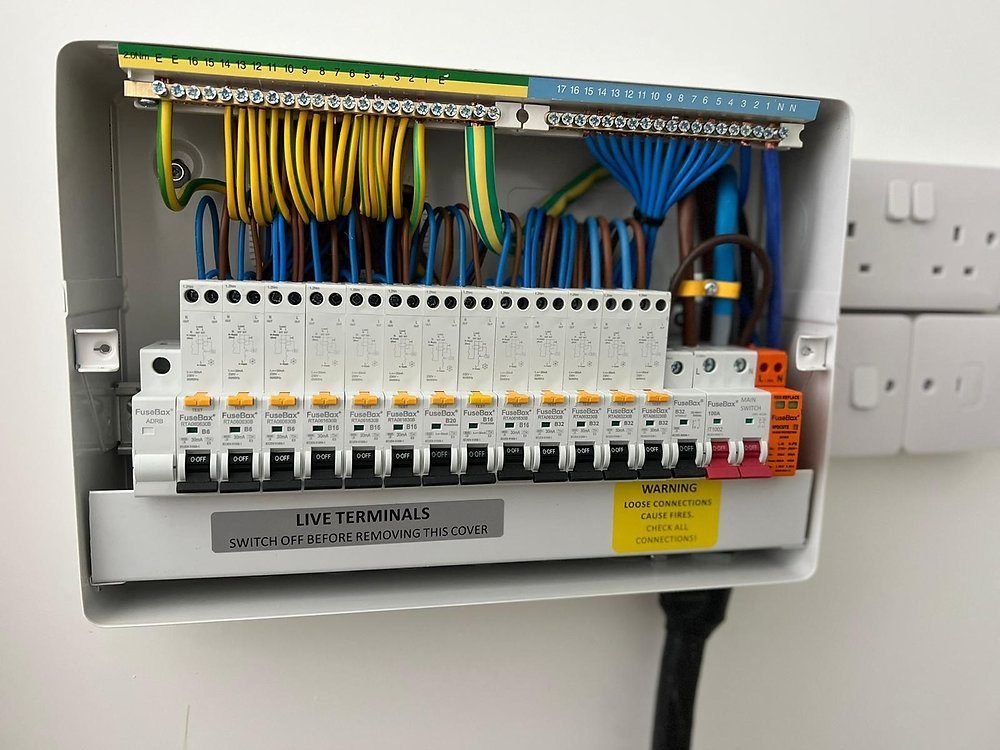
An unsatisfactory result isn't a crisis — it's a to-do list. Here's how we handle it:
Where several circuits carry C2 observations — common in older Brighton and Hove terraces and converted flats — a full rewire is often the more economical fix over the long term than patching circuit by circuit. Most rewires take 2–5 days depending on the property.
Learn more about a full home rewireAn EICR is only useful if you can act on it. Ours are written to be read, not filed and forgotten:
"I needed an EICR on my rental flat in Kemptown before renewing the tenancy. Booking was easy, the electrician arrived when he said he would and worked around my tenant. The report came through the same week with every observation explained in plain English — no jargon, no upselling. Exactly what a landlord wants."