When something electrical goes wrong, you want a straight answer and a fast visit — not a call queue. We aim to attend the same day across Brighton & Hove, make the installation safe, and give you a clear plan for the permanent repair.
Some electrical faults can safely wait until the morning. The ones below can't — if any of these are happening in your home, pick up the phone.

A few simple steps while you wait can protect your home and your family. Only do what you can reach safely — if in any doubt, leave it alone and wait for us.
If it's safe to do so, turn off the affected circuit at the consumer unit — or the main switch if you're not sure which circuit is the problem. Everything is clearly labelled on most modern boards.
Unplug appliances on the affected circuit. A faulty kettle, heater or extension lead is behind a surprising number of call-outs, and unplugging narrows the fault down before we even arrive.
Leave scorched sockets, switches and anything that's been in contact with water well alone — even after the power is off, damaged accessories can hold heat and wet equipment can remain dangerous.
An RCD or circuit breaker that keeps tripping is doing its job. Holding it closed, taping it down or bypassing it removes the very protection that's keeping a live fault from becoming a fire or a shock.
If you can smell burning that doesn't stop once the power is off, or you see smoke, get everyone out and call the fire service on 999 before you call us. Electricians fix faults — firefighters fight fires.
An emergency visit isn't a rushed patch-up. It follows the same disciplined process as any of our work — just faster.
If we spot wider problems beyond the immediate fault, we record them the way an EICR would — C1 for danger present, C2 for potentially dangerous, C3 for improvement recommended, FI for further investigation — so you know exactly where your installation stands.
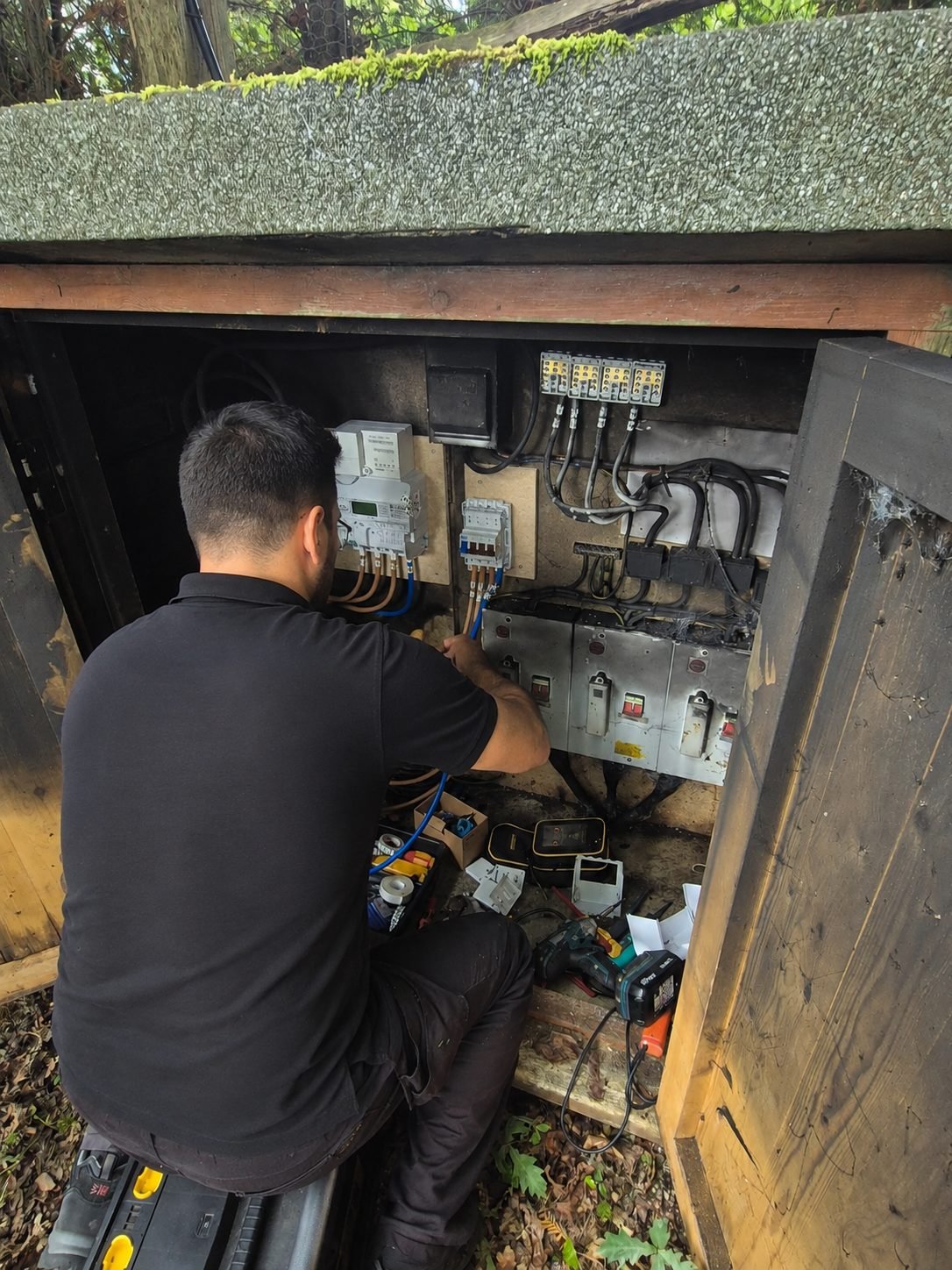
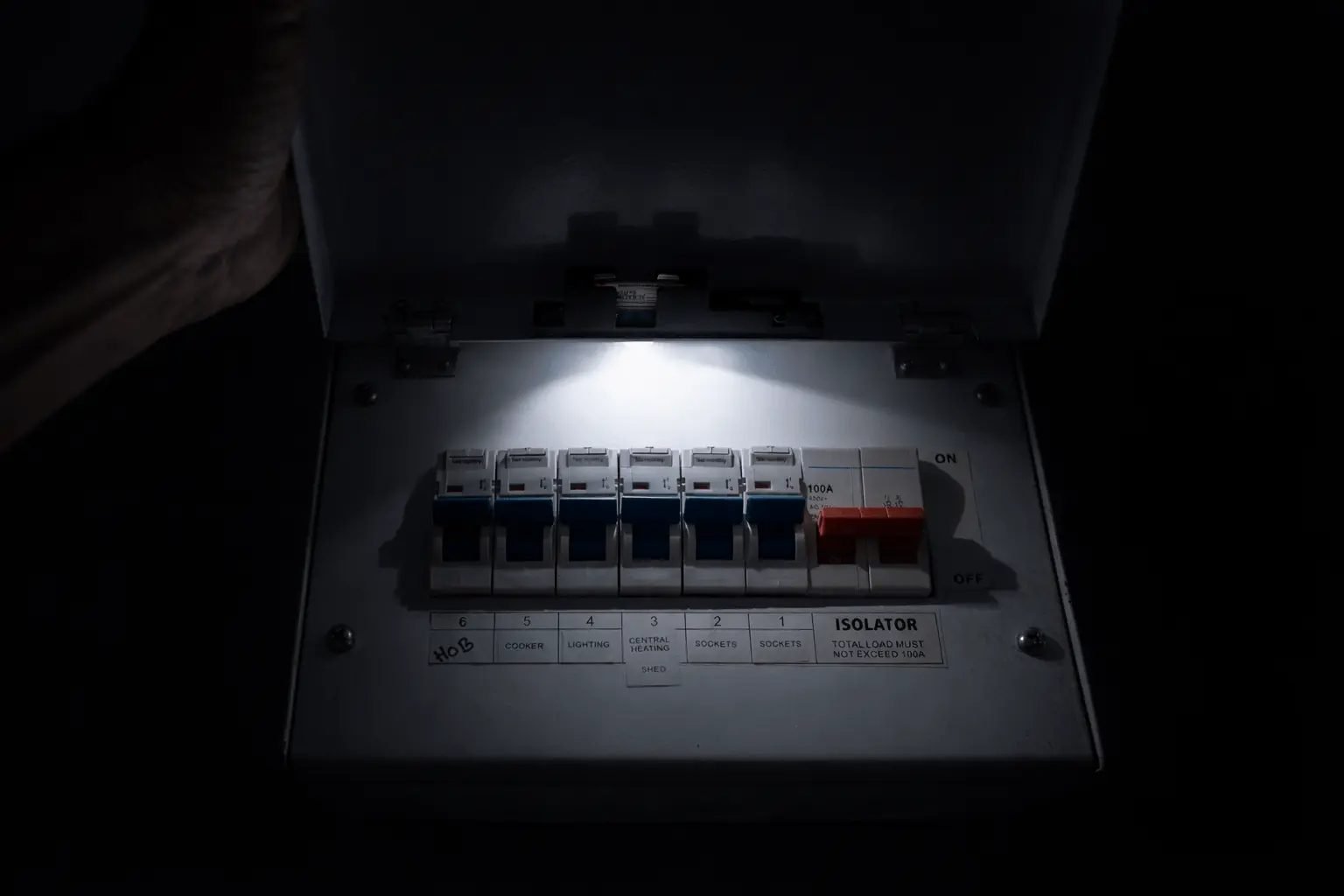
From Regency conversions on the Hove seafront to Victorian terraces in Kemptown and family homes in Portslade, the city's older housing stock keeps us busy. These are the faults we see most often:
Landlords: we can follow an emergency visit with a full EICR. The Electrical Safety Standards in the Private Rented Sector (England) Regulations 2020 require one at least every five years — an emergency call-out is often the prompt that reveals a report is overdue.
Notifiable emergency repairs are completed and certificated in line with Part P of the Building Regulations — you get the paperwork, not just the fix.
We aim to attend the same day across Brighton & Hove, and we'll tell you honestly on the phone when we expect to arrive.
Once the fault is diagnosed, you get a clear fixed quote for the permanent repair. Nothing goes ahead until you've agreed it.
Every repair is tested to BS 7671 (18th Edition) before we leave, with a Minor Works Certificate or EIC issued where the work requires it.
"Half our sockets went dead at breakfast and the RCD wouldn't stay up. They talked me through switching the circuit off over the phone, came out the same afternoon and traced it to a damaged cable behind the kitchen units. Everything was tested and back on by early evening — calm, clear and no drama at any point."